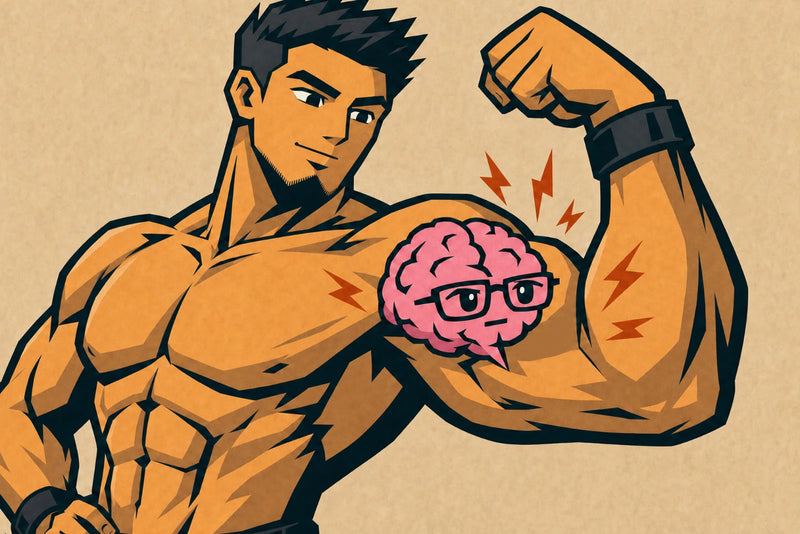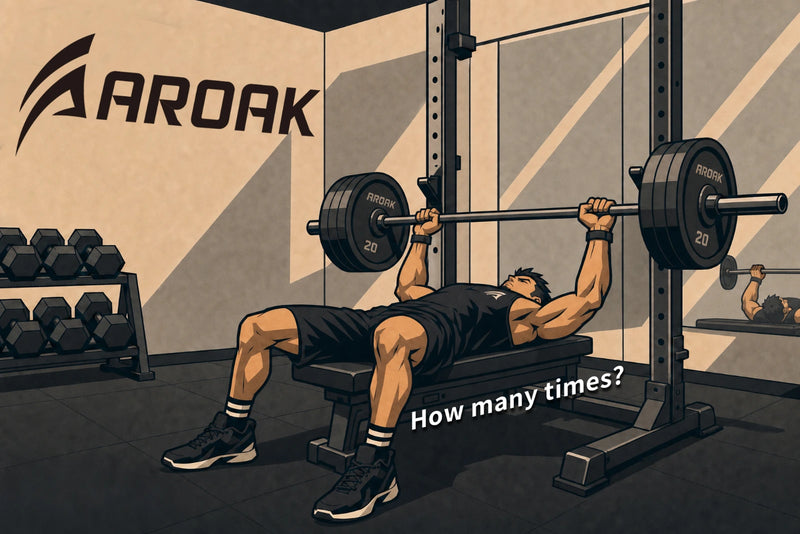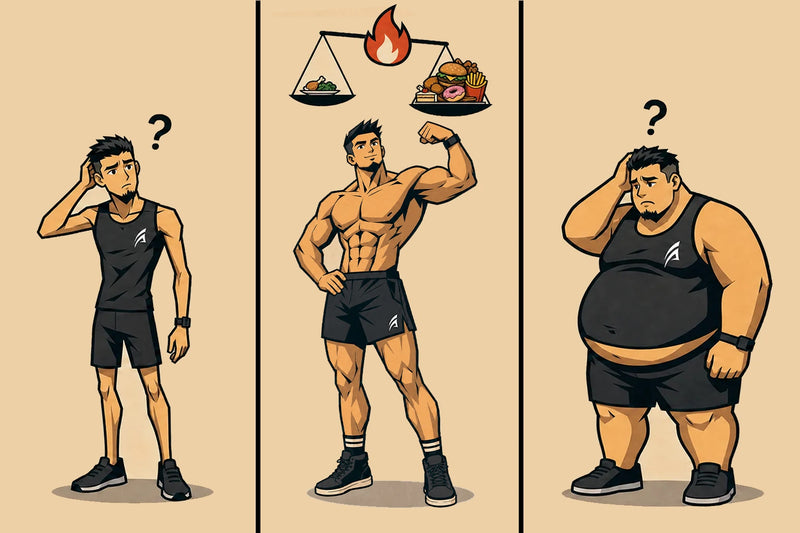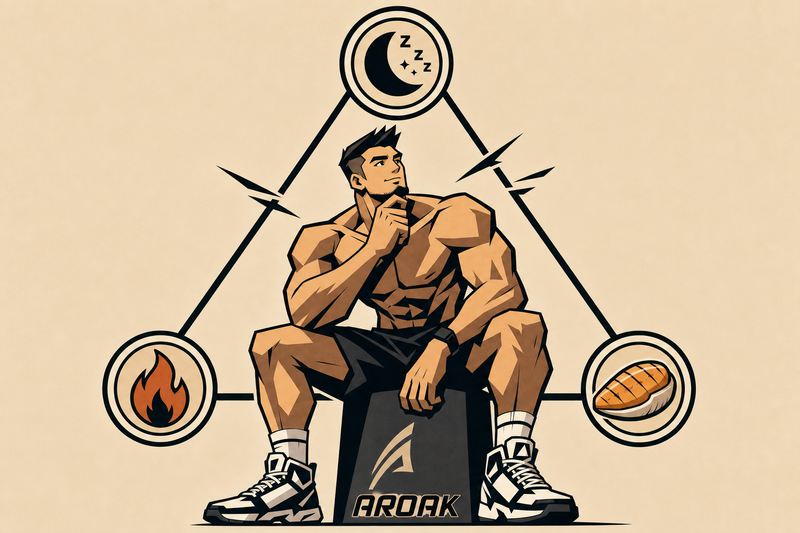
All That Training for Nothing? 3 Critical Mistakes in Muscle Growth and the Truth About Progressive Overload
Why do you train hard but not gain muscle? This article takes an in-depth look at the pitfalls of progressive overload, and discusses indicators such as DOMS soreness and strength loss. This article teaches you how to adjust training proportions according to your specific sport needs, avoid ineffective training, and achieve real muscle gain and strength breakthroughs.
Continue ReadingCan you gain muscle and lose fat at the same time? Unveiling the truth about muscle memory and the second honeymoon period.
Returning to the gym after years of inactivity, should you focus on building muscle or losing fat first? This article delves into the "muscle memory" myonuclear retention mechanism, and explores 4 key conditions for beginners, adolescents, and those returning to exercise to gain muscle and lose fat simultaneously. Learn how to efficiently regain your physique during the "second honeymoon period" and debunk the paradoxical myths of calorie deficit and surplus.
Continue ReadingDoes resting too long between sets affect training results? The key to muscle growth isn't time, it's this.
Does resting more than two minutes between sets during training make it ineffective? A deep dive into the two key factors for muscle growth: intensity and volume. This article debunks myths about rest times, teaches you how to identify "junk reps," and emphasizes that reaching failure and controlling body fat are the true core elements for building a perfect physique.
Continue ReadingNew to back workouts and feeling nothing? Master the key details of scapular movement and the mind-muscle connection.
Beginners often feel their arms are doing all the work when training their back. This article delves into the critical role of the scapulae in back training. We'll teach you how to establish a strong mind-muscle connection using the "chop off your elbows" cue and emphasize the importance of full range of motion training, helping you quickly rediscover the feeling of back contraction.
Continue ReadingOnly one exercise for chest training? The truth about why upper chest is recommended and lower chest training has a lower cost-effectiveness ratio
Is it really necessary to train the lower chest? This article delves into the adduction function of the shoulder joint and the disadvantages of lower chest presses, such as a short range of motion and high risk of injury. Learn why professional athletes prioritize upper chest training, and how developing the clavicular head drives overall chest growth, establishing the most cost-effective chest training logic.
Continue ReadingWant to get strong in two weeks? The truth about muscle gain in "years"
Feeling like giving up after two weeks of training with no results? A deep dive into why muscle growth must be measured in "years." This article debunks the myths of "dirty bulking" and frequent bulking/cutting cycles, teaching you how to build truly solid muscle over two to three years using a consistent caloric surplus and a reasonable body fat range.
Continue ReadingIs Training Twice a Day Overtraining? Analyzing Training Frequency, Protein Synthesis, and the Truth About Scientific Data
Is training more frequently better? This article delves into the 48-72 hour cycle of muscle protein synthesis and examines Arnold's high-frequency training approach. We'll help you debunk the "average fallacy" in scientific data, teach you how to monitor your nervous system and recovery status, and ultimately guide you to find your optimal training volume.
Continue ReadingThe Science and Philosophy of Muscle Growth: Debunking Muscle-Building Myths and Returning to the Essence of Training Stimulus
Want to maximize muscle hypertrophy? We delve into the core theories of muscle growth, discussing training intensity, the definition of failure, fatigue management, and an open mindset towards scientific fitness. This article brings you back to the essence of training, helps you avoid junk volume, and achieve long-term strength and health goals.
Continue Reading