


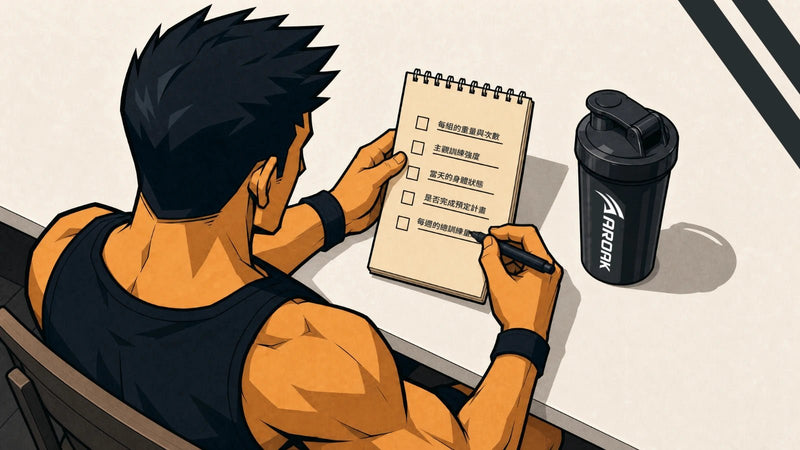
訓練強度夠了嗎?三個比磅數更準確的進步指標
重量停滯不等於訓練停滯,本文說明三個比磅數更準確的進步指標:組間疲勞刺激、總訓練量成長、恢復表現穩定,幫助訓練者用正確數據判斷自己是否真的在進步。
Continue Reading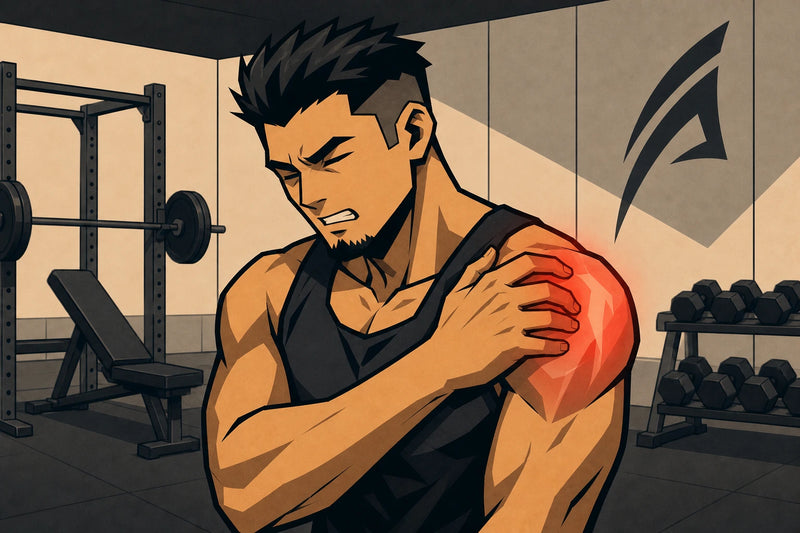
肩膀訓練為什麼最容易受傷?肩關節活動度、暖身順序與常見錯誤動作全解析
肩膀訓練受傷的根本原因是熱身不足、活動度不夠、動作錯誤,楷教練以親身三度肩傷經歷解析正確暖身順序與常見動作錯誤,幫你練得紮實又安全。
Continue Reading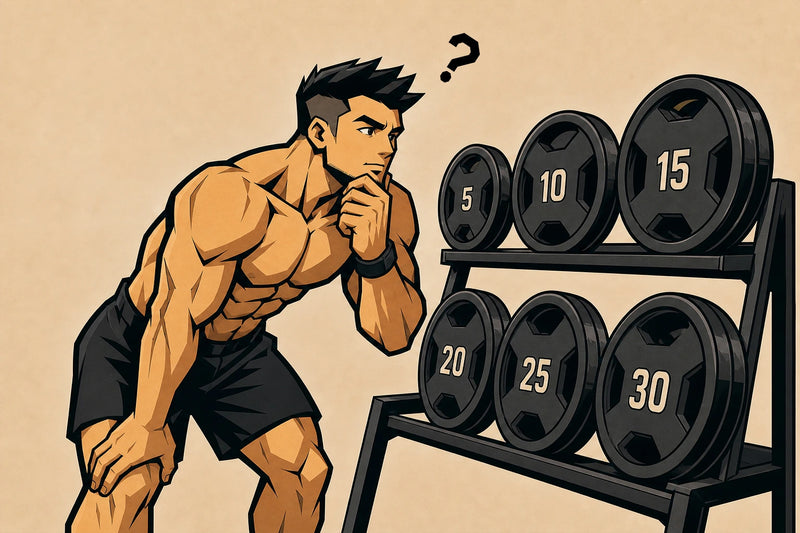
Bodybuilders shouldn't just track weight to measure progress? Five training progress indicators more accurate than pounds
The scale is just one of many indicators of progress in training. Coach Kai has compiled five more reliable methods: whether training weight and reps have increased, whether there is systematic record-keeping, appearance and how clothes fit, weekly average weight trends, and whether you actively seek the cause when hitting a plateau. Cross-referencing these is essential to truly assess fitness effectiveness.
Continue Reading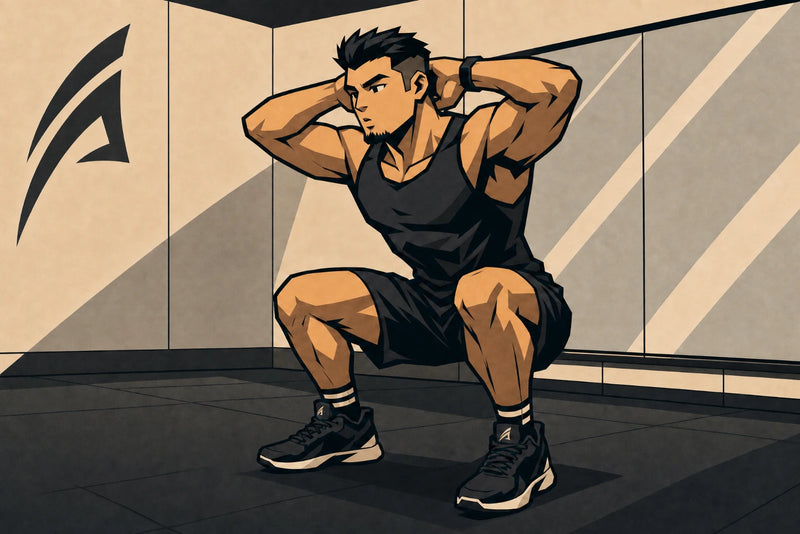
Can your knees go past your toes when squatting? Let's use biomechanics to settle this most common fitness debate.
"Knees cannot go past the toes during squats" is the most prevalent myth in the fitness world. Coach Kai debunks this myth from a biomechanical perspective: the key factor in determining injury is whether the weight exceeds an individual's capacity, not whether the knees cross that line.
Continue Reading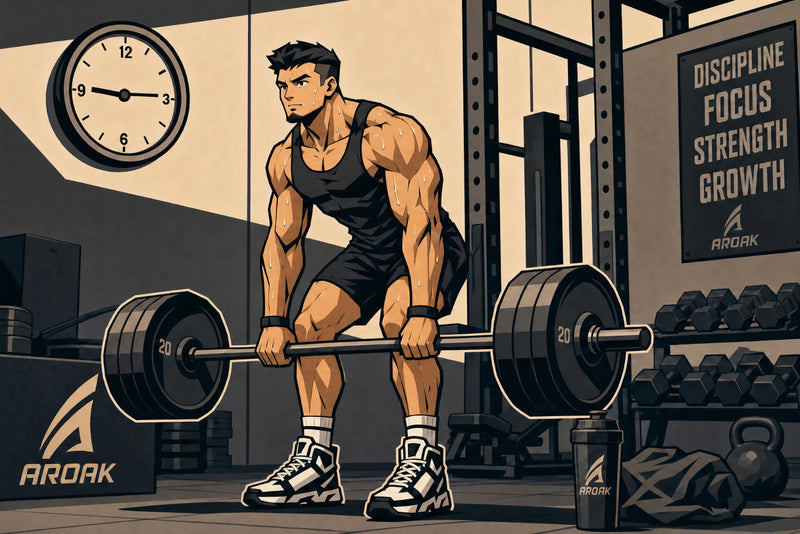
Training intensity: Not enough, or just right? RPE and these three physical signals help you make an accurate assessment.
Coach Kai teaches you how to use RPE, RIR, and three body signals to accurately determine if your training intensity is truly adequate, and say goodbye to ineffective workouts.
Continue Reading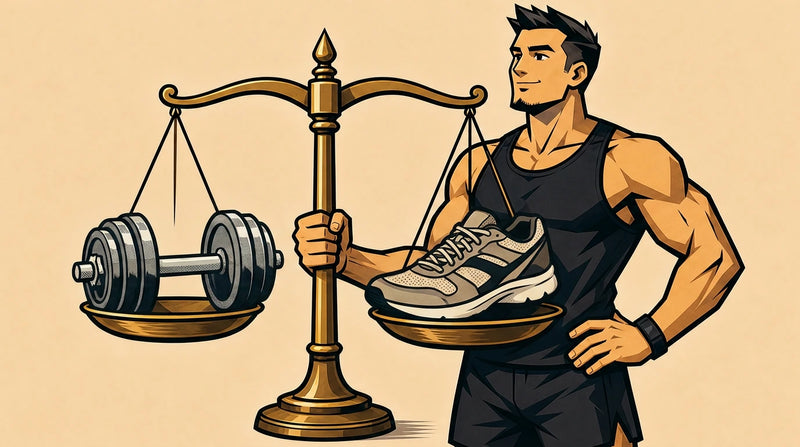
Is cardio a must for weight loss? Deconstructing the true relationship between caloric deficit, TDEE, and weight training
Losing weight doesn't necessarily require cardio; the real key is a calorie deficit. However, the one thing you absolutely shouldn't skip during fat loss is weight training, because maintaining muscle means maintaining your metabolism.
Continue Reading