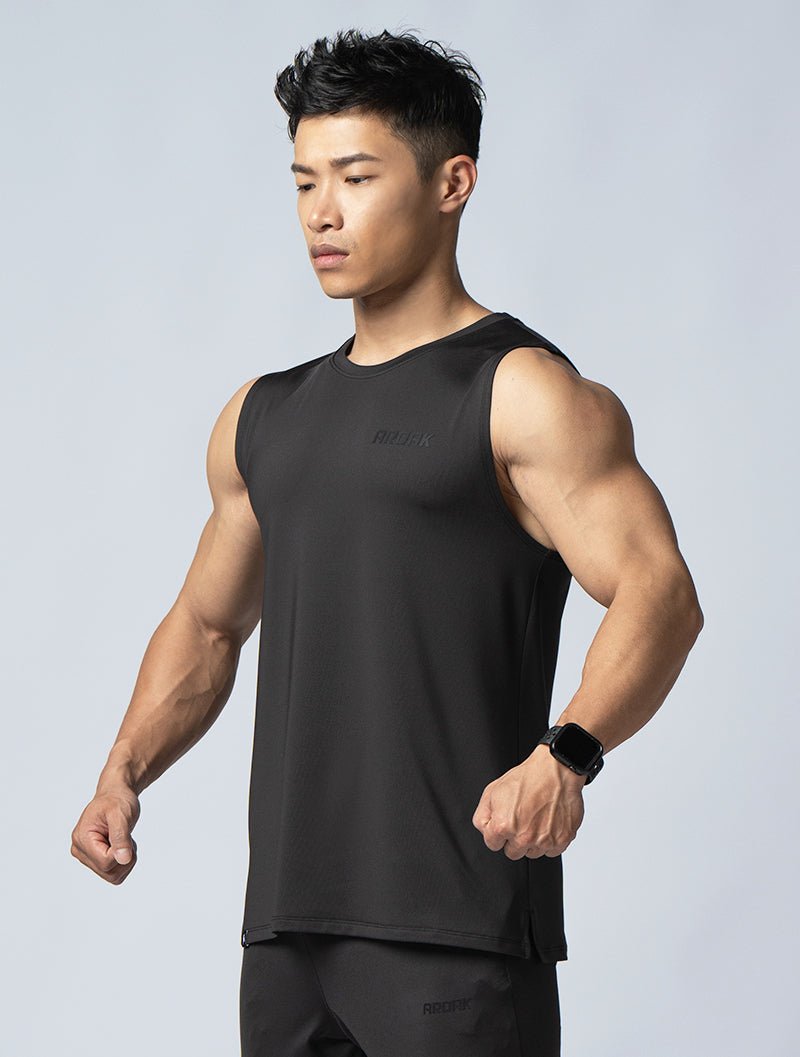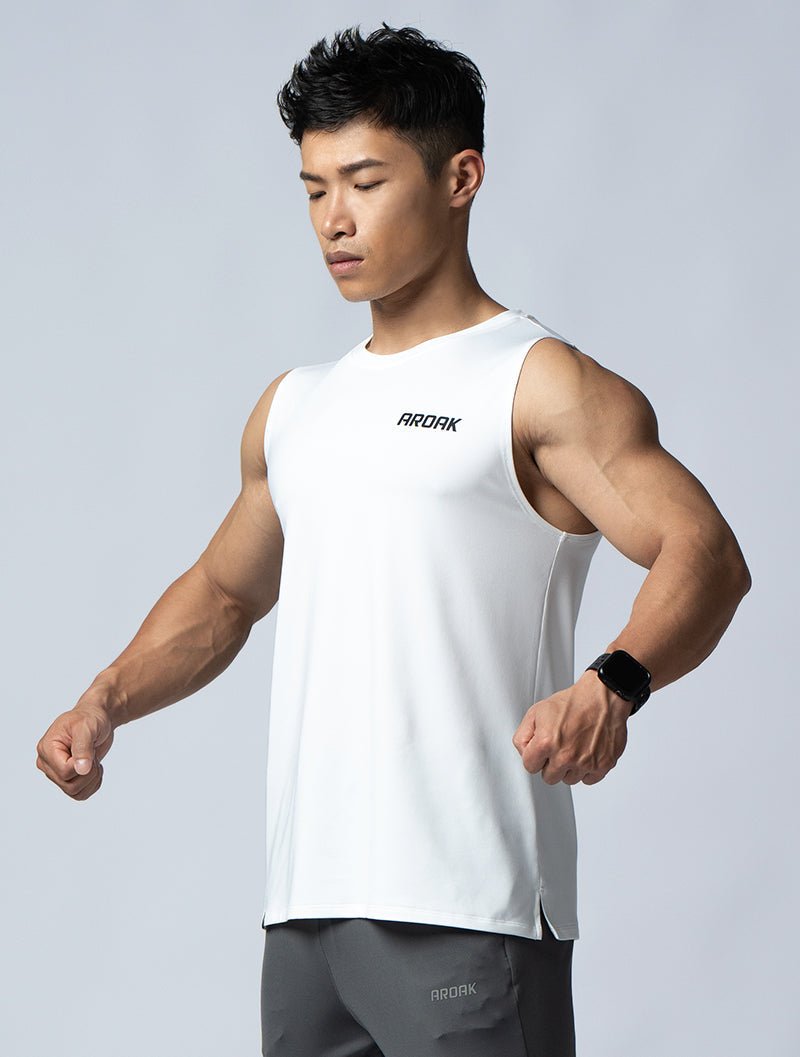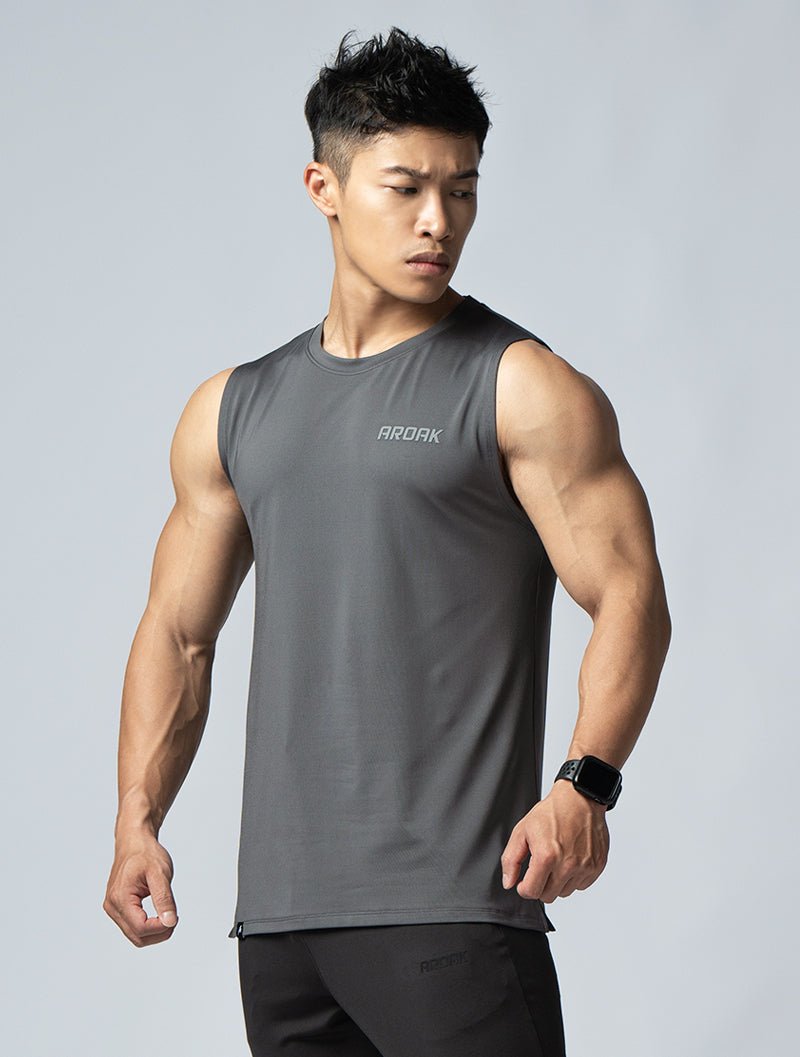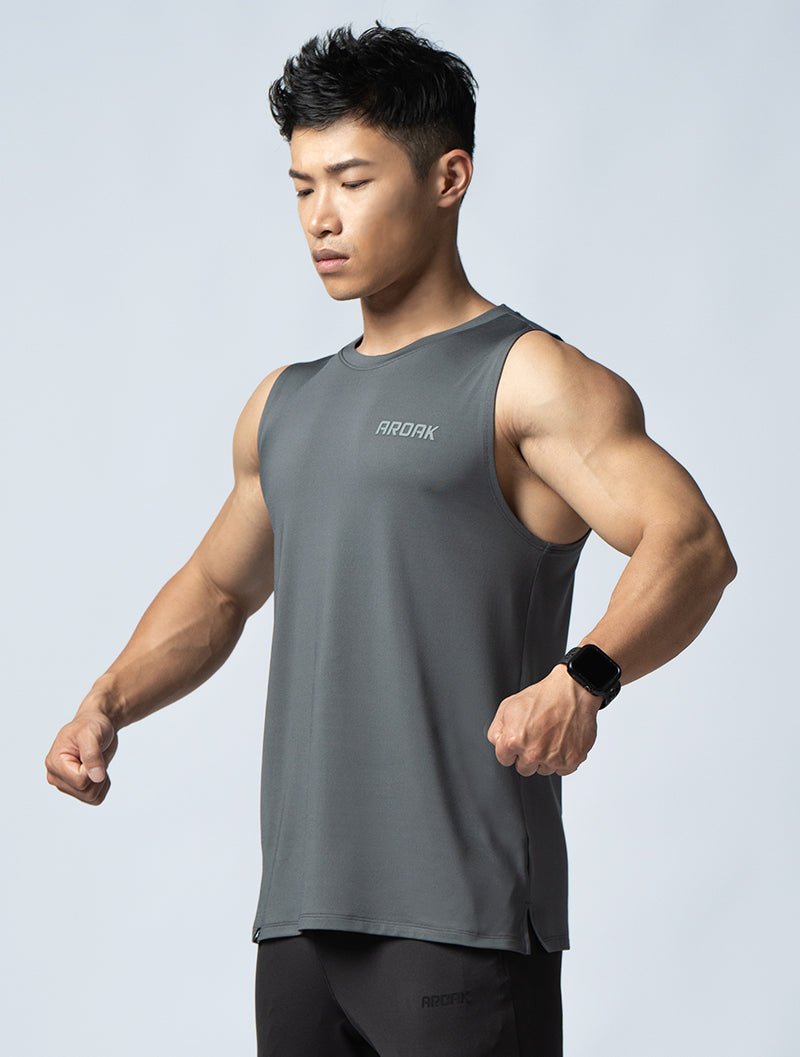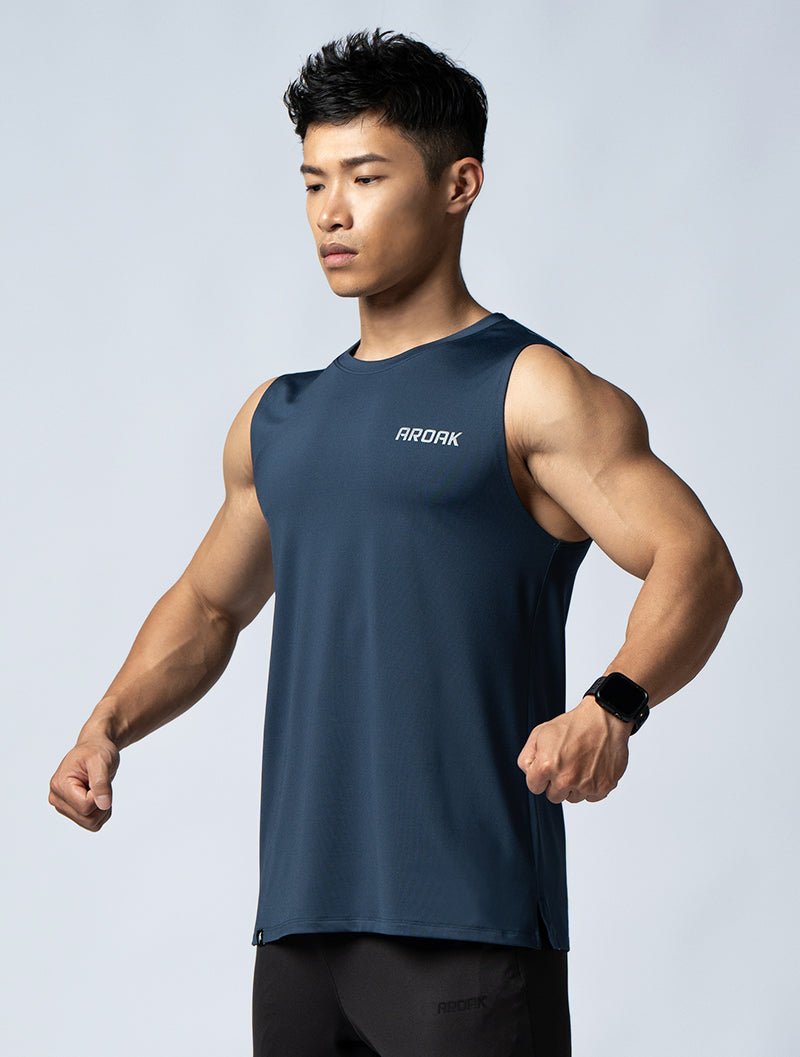

In the current fitness trend of pursuing precise data, many enthusiasts often fall into a "data fallacy." Even if a body fat scale shows an enviable 12% or even lower, looking in the mirror still doesn't reveal clear abdominal muscle lines. This discrepancy not only leads to frustration but can also result in incorrect dietary adjustments and overtraining. In fact, body fat percentage is only a "relative value"; the real key lies in genetic differences in fat distribution and errors in instrument measurement. If one overly obsesses over numbers and ignores actual visual feedback, training often becomes stagnant.
I. The Blind Spot of Body Fat Scale Numbers: Why Measurement Results Cannot Be Fully Trusted
Most common body fat scales on the market use Bioelectrical Impedance Analysis (BIA) to estimate body fat percentage, and this measurement method is highly susceptible to interference from bodily factors.
1. The Reality of Data Discrepancies: Visual Truth of 3% vs. 12%
In a large number of practical observations, it is often found that the same person measures wildly different body fat data on different instruments, but the visual clarity of the lines completely contradicts the data.
(1) Sources of Instrument Error:
For instruments that rely on big data for calculation, extreme single-digit percentages often lack reference value. Body water, meal times, and even posture during measurement can affect the results.
(2) Accuracy of Visual Interpretation:
Experienced observers can determine the true physique through overall fat distribution. Many cases labeled as 5% by instruments may actually have around 12% body fat, which illustrates the huge disconnect between data and reality.
2. Body Fat Percentage is an "Overall" Concept, Not a "Local" Indicator
We must understand that 12% body fat does not mean that the fat thickness is uniform throughout the body; this overlooks the physiological distribution logic of the human body.
(1) Genetic Dominance of Fat Distribution:
Everyone has specific areas that are "prone to accumulating fat" and "prone to burning fat," which are physiological characteristics determined by innate genes.
(2) Differences in Local Thickness:
Even if the skinfolds on the limbs are very thin and blood vessels are clear, the abdomen may still be relatively prone to storing fat. This means that even with a low overall body fat percentage, the abdominal muscles may still be covered.
II. The Key to Abdominal Muscle Visibility: When Genes Meet Training Goals
If your goal is to see your abs, then the number "X% body fat" itself has no substantial meaning. The real focus is on how much metabolic cost you are willing to pay.
1. Sacrificing Muscle Mass for Clarity
When you still can't see your abs at 12% body fat, it means your abdomen is likely the most stubborn area for fat accumulation due to genetics, and at this point, you must make a trade-off.
(1) The Only Path to Resolution:
If you insist on seeing the lines, the only way is to continue lowering your body fat, even if this may mean sacrificing some of the hard-earned muscle fullness.
(2) Visuals Over Numbers:
If you can see your abs at 15%, then that is your best state; conversely, if you can't see them at 10%, then the number 10% has no substantial sense of achievement for you.
2. Physiological Tolerance for Maintaining Low Body Fat
Each person's body has a different "set point" for low body fat, which determines whether you can maintain that physique long-term without affecting your health.
(1) Physiological Signals of Hunger:
When body fat drops below the body's set point, severe hunger and fatigue will occur, thereby affecting quality of life.
(2) Consideration of Sustainability:
If the cost of pursuing abs is long-term endocrine imbalance or psychological anxiety, then the long-term meaning of fitness needs to be re-evaluated.
III. The Innate Influence of Genes and the Establishment of Mental Fortitude
While fitness emphasizes effort, it must be admitted that genes indeed play a crucial role in physique presentation. Accepting this is not admitting defeat, but the beginning of mental strength.
1. Accepting Physiological Inequality
Just as there are differences in athletic talent, there are also innate differences in human muscle types and fat distribution. Some people naturally have deep abdominal muscle grooves and can see them clearly even with slightly higher body fat.
(1) Rejecting Meaningless Obsession:
We should not dwell on innate limitations but focus on doing our best within our own baseline.
(2) Letting Go of Data Obsession:
Ultimately, the driving force behind training should not be the numbers on the body fat scale, but how you view your continuously improving self in the mirror.
2. Building Correct Self-Identity and Body Confidence
The purpose of strength training is to improve quality of life and confidence. Wearing appropriate clothing and showcasing a confident physique is far more valuable than pursuing numerical perfection.
(1) Source of Confidence:
Maintaining confidence through outfits and training can make you feel the joy of fitness more than obsessing over a precise 8% body fat.
(2) Maintaining Mental Health:
Avoiding falling into "number sickness" and returning to the sense of strength and bodily functionality that training brings is the long-term solution.
IV. Conclusion: Breaking Free from the Numerical Framework and Returning to the Substance of Physique
The body fat scale is merely a supplementary tool and should not be the sole criterion for defining training success or failure.
1. Emphasizing Visual and Lifestyle Feedback
The lines in the mirror, photo records, and the looseness or tightness of daily clothing often reflect actual muscle gain and fat loss progress more accurately than instrument reports.
2. Finding the Best Balance for Yourself
Understand your genetic characteristics and strike a balance between muscle mass, body fat percentage, and quality of life. Finding a physique that makes you strong and sustainable in the long run is the ultimate goal of strength training.